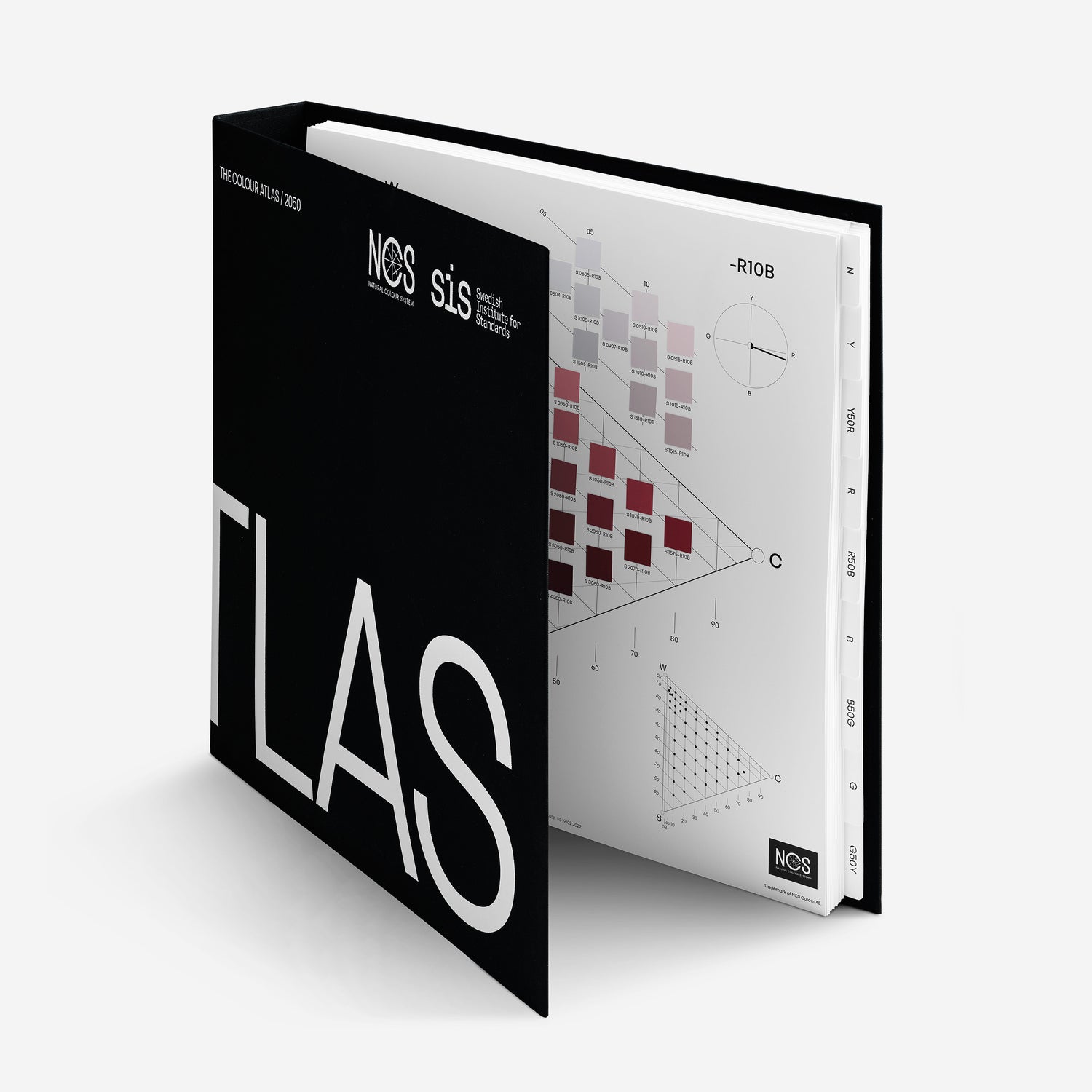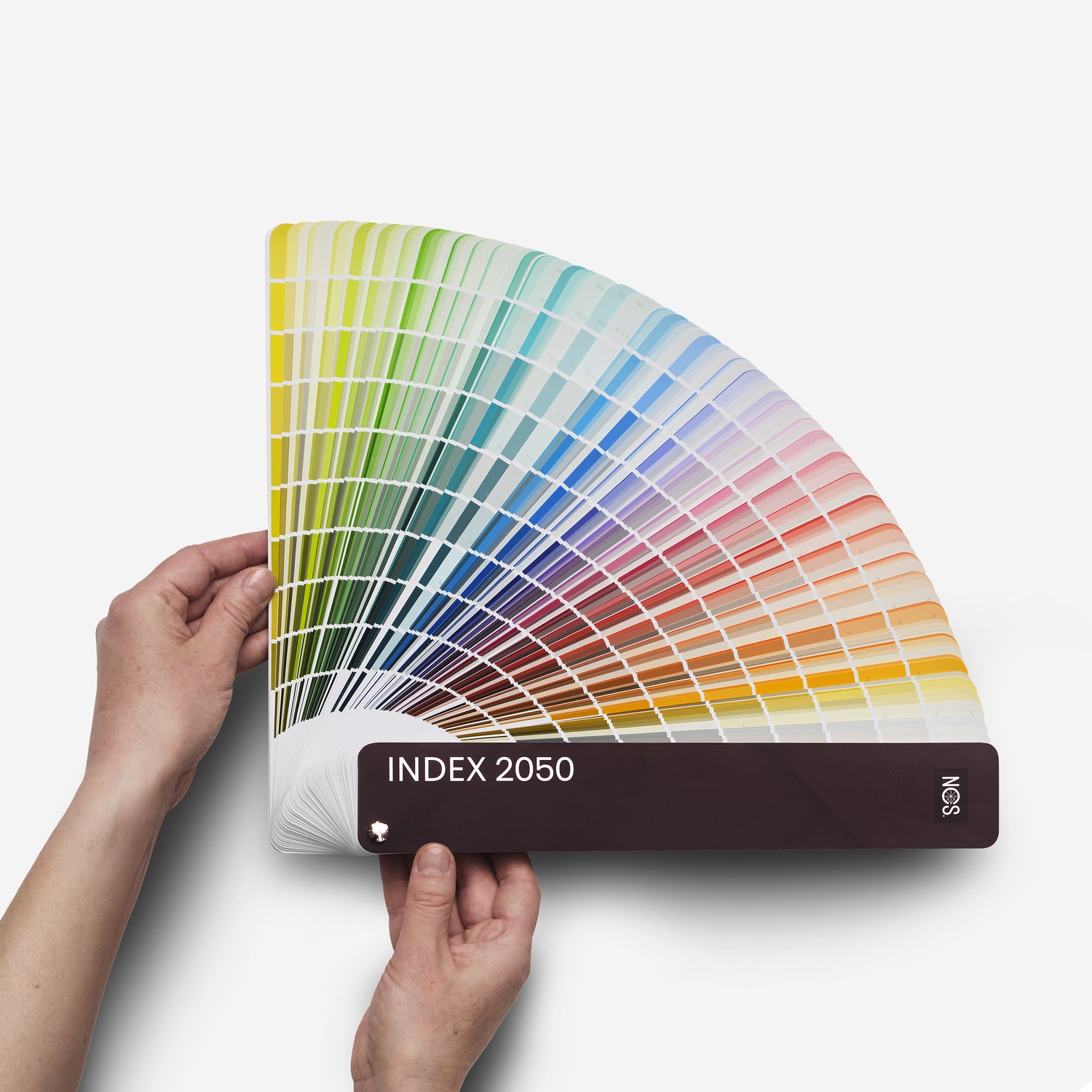


Learn the NCS System®
Describe any imaginable surface colour with NCS. Learn the NCS System and enjoy the smartness of colour.
What is NCS?
NCS – Natural Colour System® is rooted in science, reflecting how we perceive colours. Using NCS Notations or codes, you can describe colour on any surface, whether it's fabric, paint or packaging.
What sets NCS apart?
It’s become the global go-to standard for defining and communicating colours, ensuring accurate and high-quality colour communication.

Why choose NCS?
Imagine you can accurately describe colours across industries, from interior design to car manufacturing and beyond. NCS understands colour just as we do. It translates colour vision into a systematic language, enabling accurate colour communication and the right colour decisions.
NCS is for you
From architects shaping spaces and designers crafting projects to colour professionals and industry manufacturing, NCS ensures colour with precision.
colour harmonies
Get colour confidence with NCS
The possibilities of colour harmonies and combinations open up with the colour language of NCS. On this page, you will learn how to use the NCS System to amplify your colour choices and creation of colour palettes.
The NCS Natural Colour System®
3 simple steps to identify any colour.
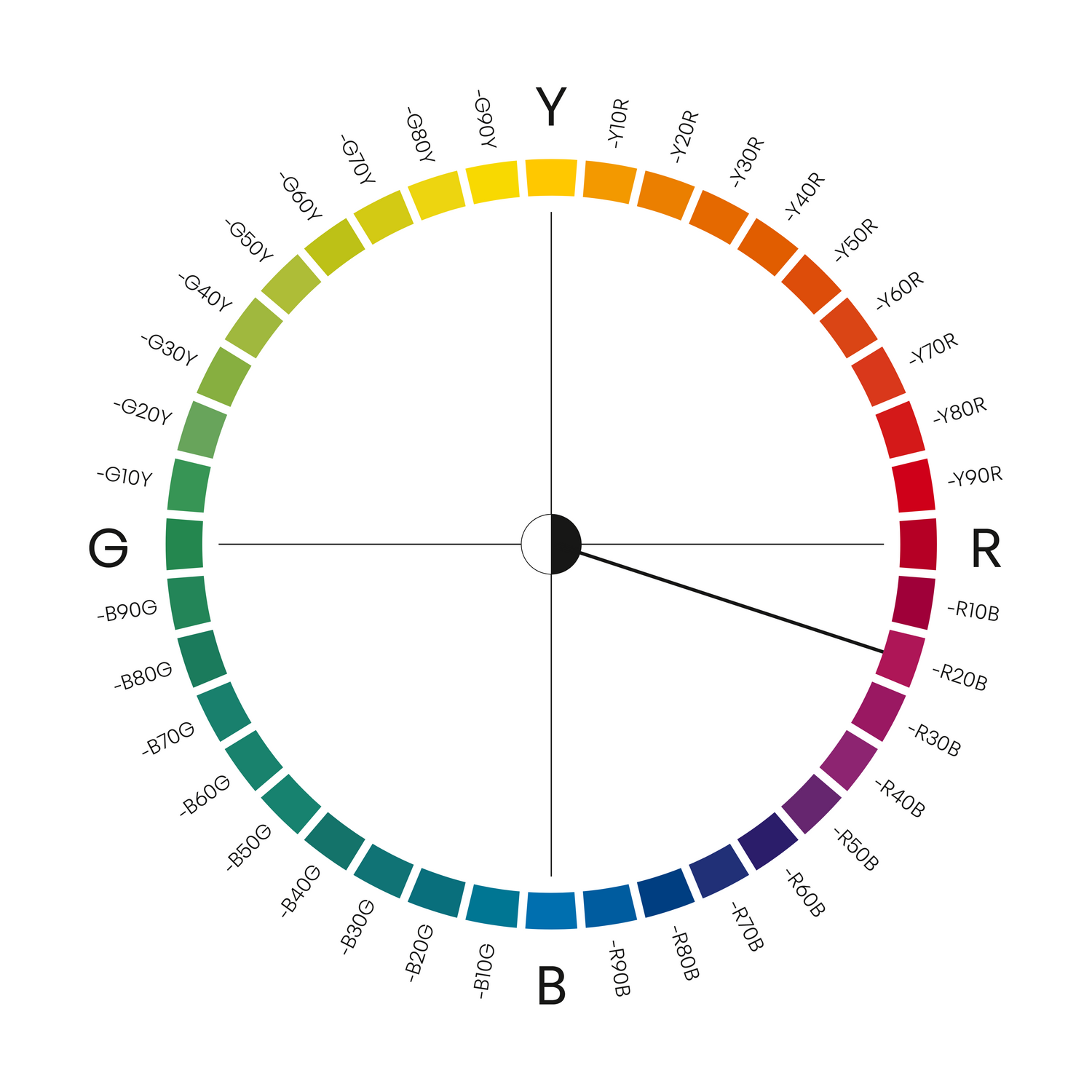
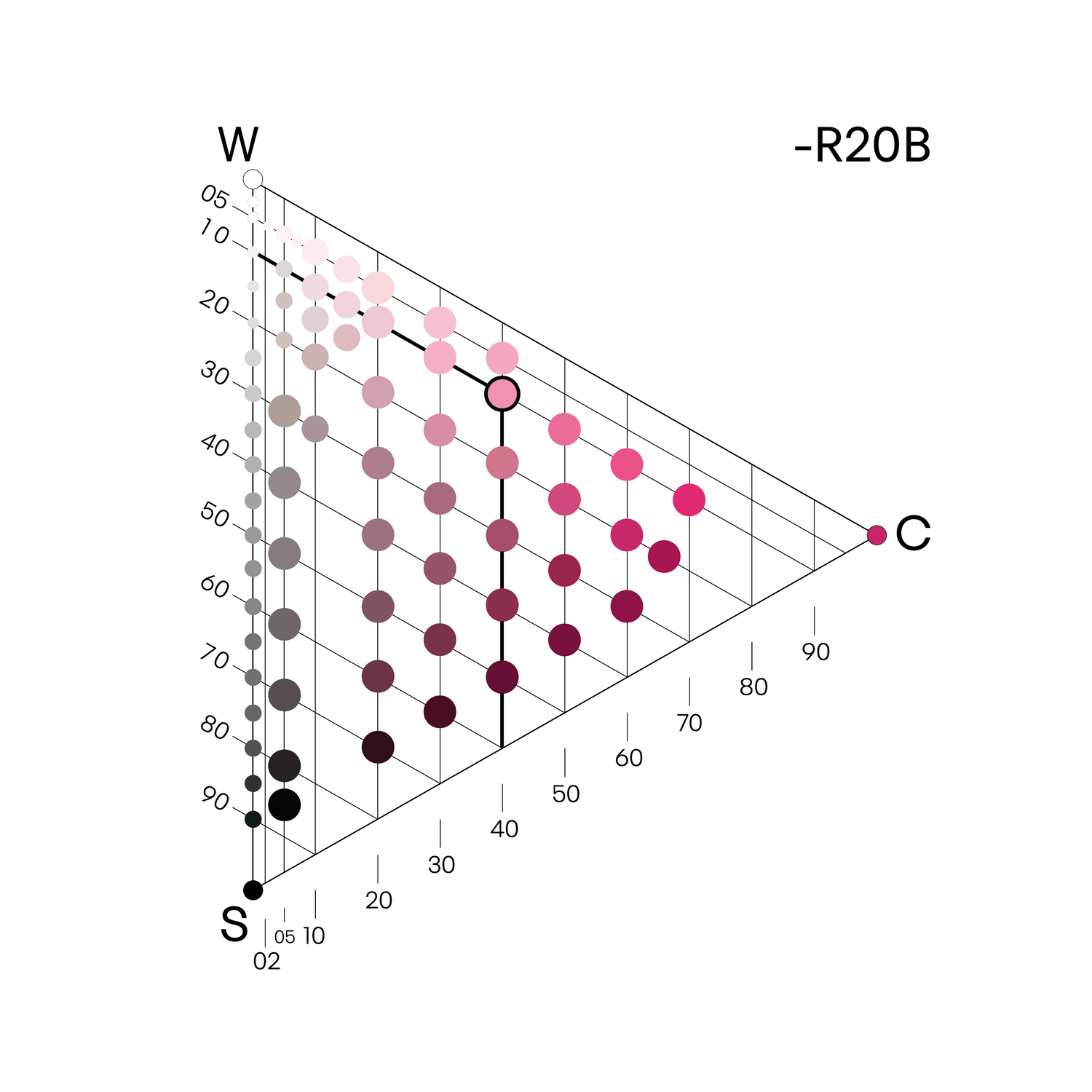
1. Find the colour hue: -R20B
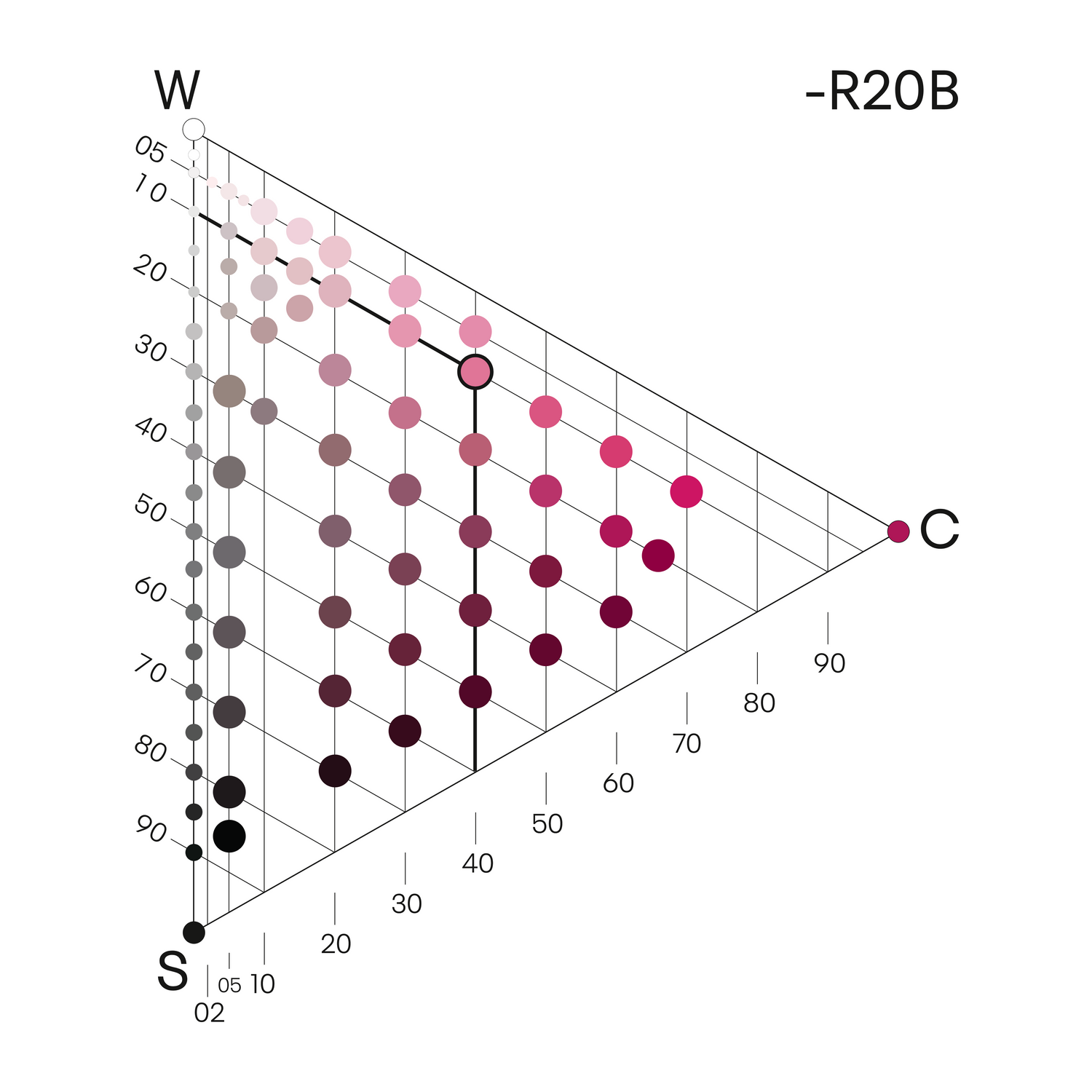
2. Find the nuance: 1040
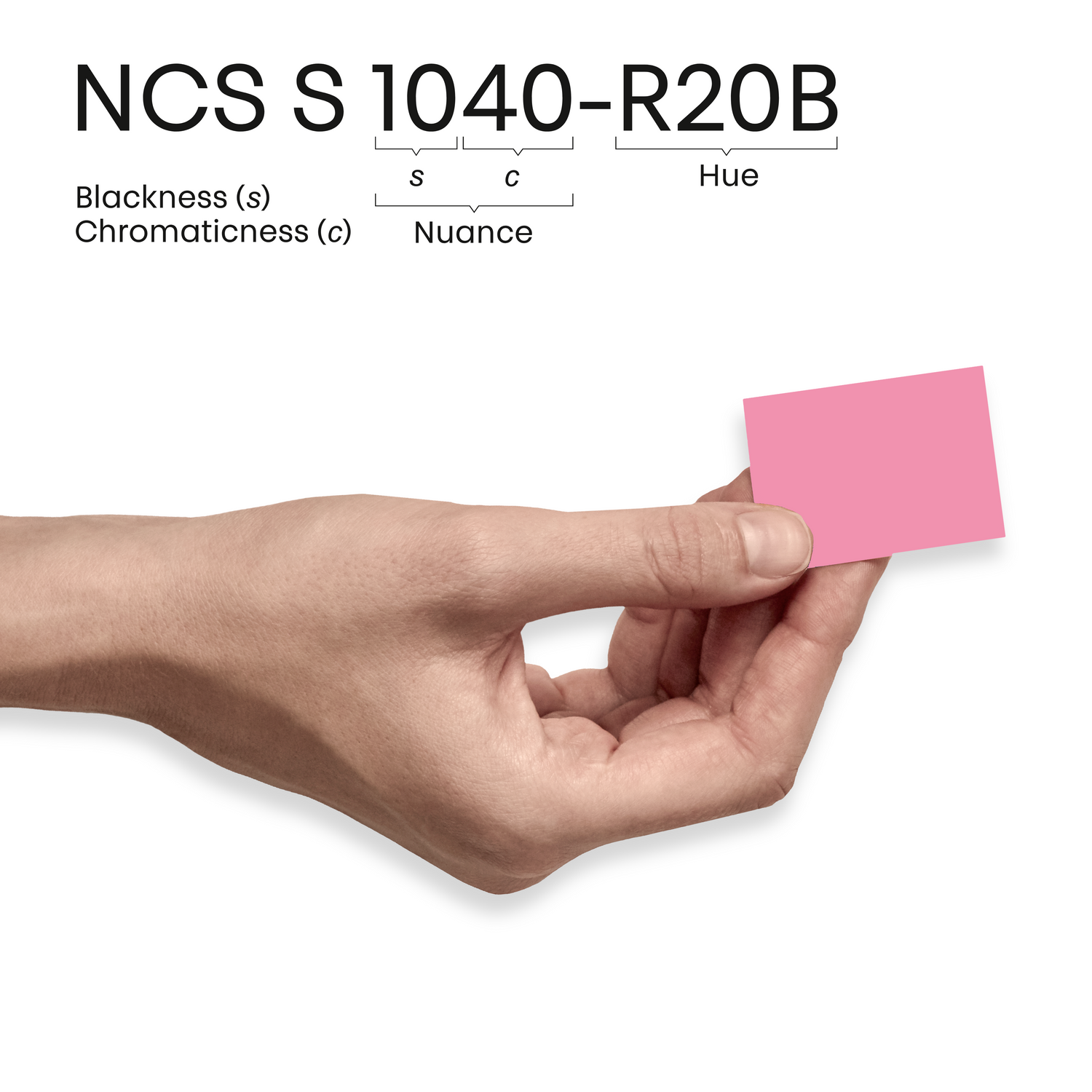
3. Complete the NCS Notation

"To make life easy for designers, we use the NCS System, creating our own colour collection that all fit together in perfect harmony. This enables colourful matches within entire interior concepts and the ability to create bespoke solutions for clients.”
– Torben Hansen, Founder & Director Schotten & Hansen
Five essential parts
Unpacking the NCS System
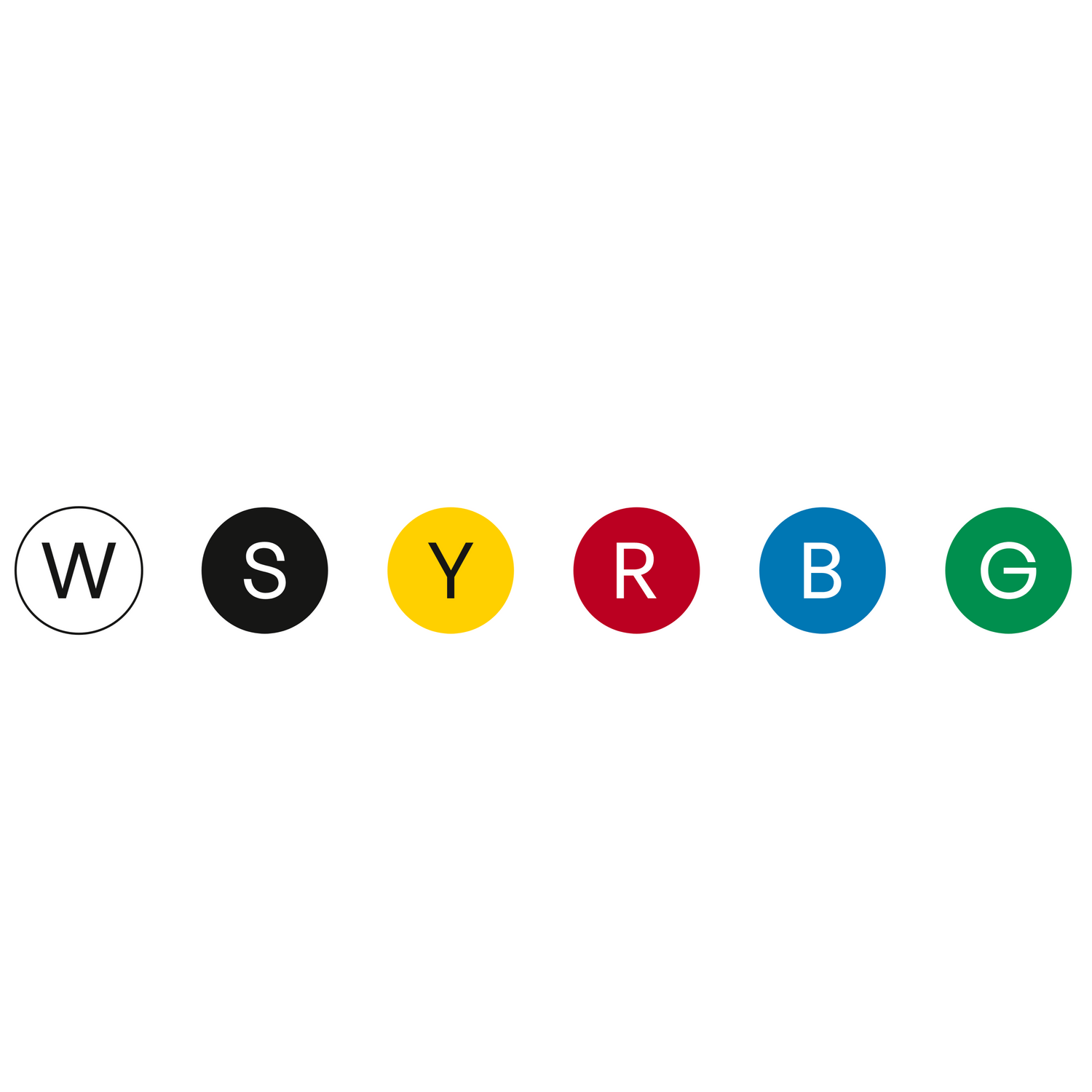
Elementary Colours
The six elementary colours: white, black, yellow, red, blue and green are perceived as “pure” and hold the key to describing the 10 million colours we see. A pure yellow, for instance, is not perceived as reddish or greenish, just as a pure red is not perceived as yellowish or bluish.
These six elementary colours form the foundation of the NCS notations, making it possible to describe all of the 10 million colours that form our world.
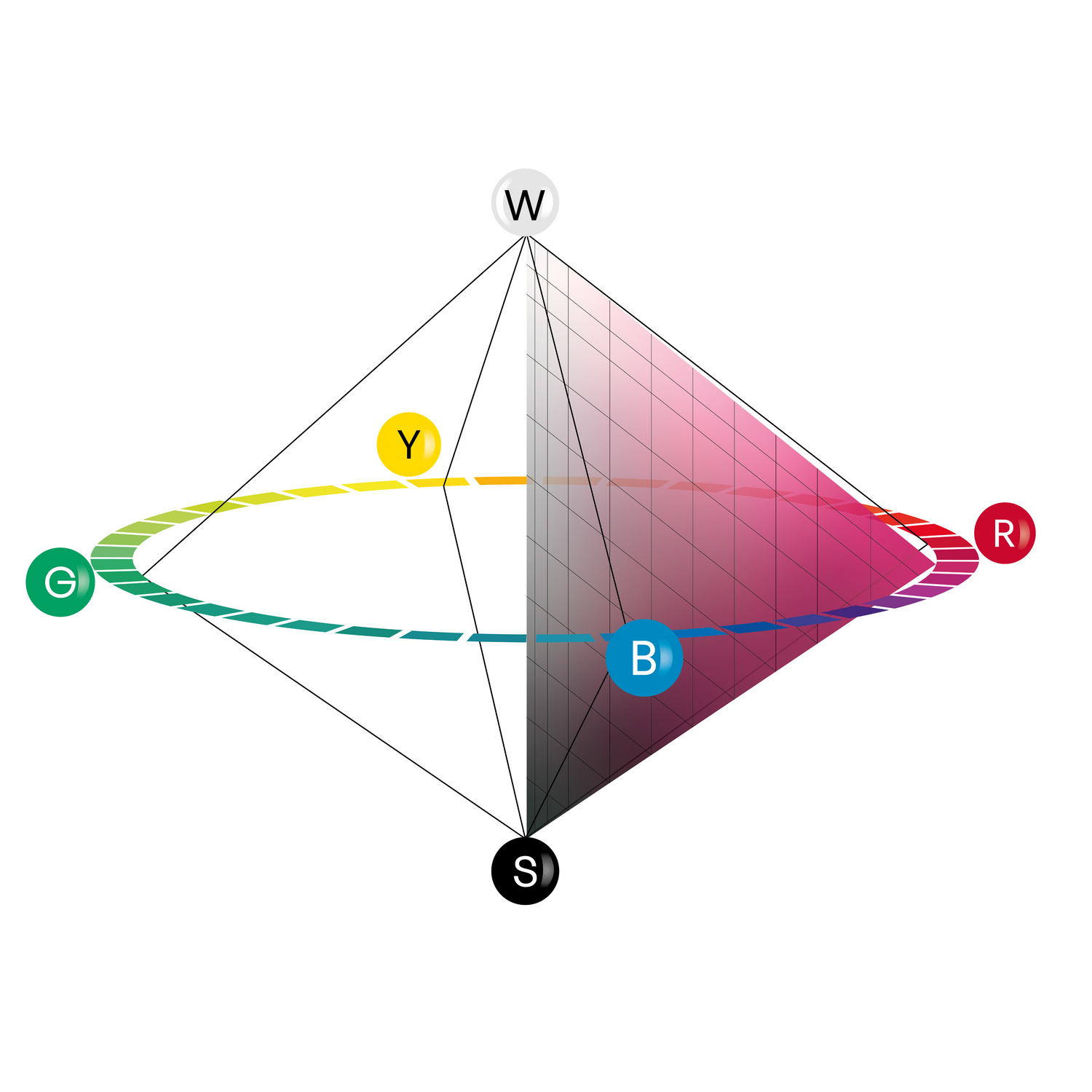
NCS Colour Space
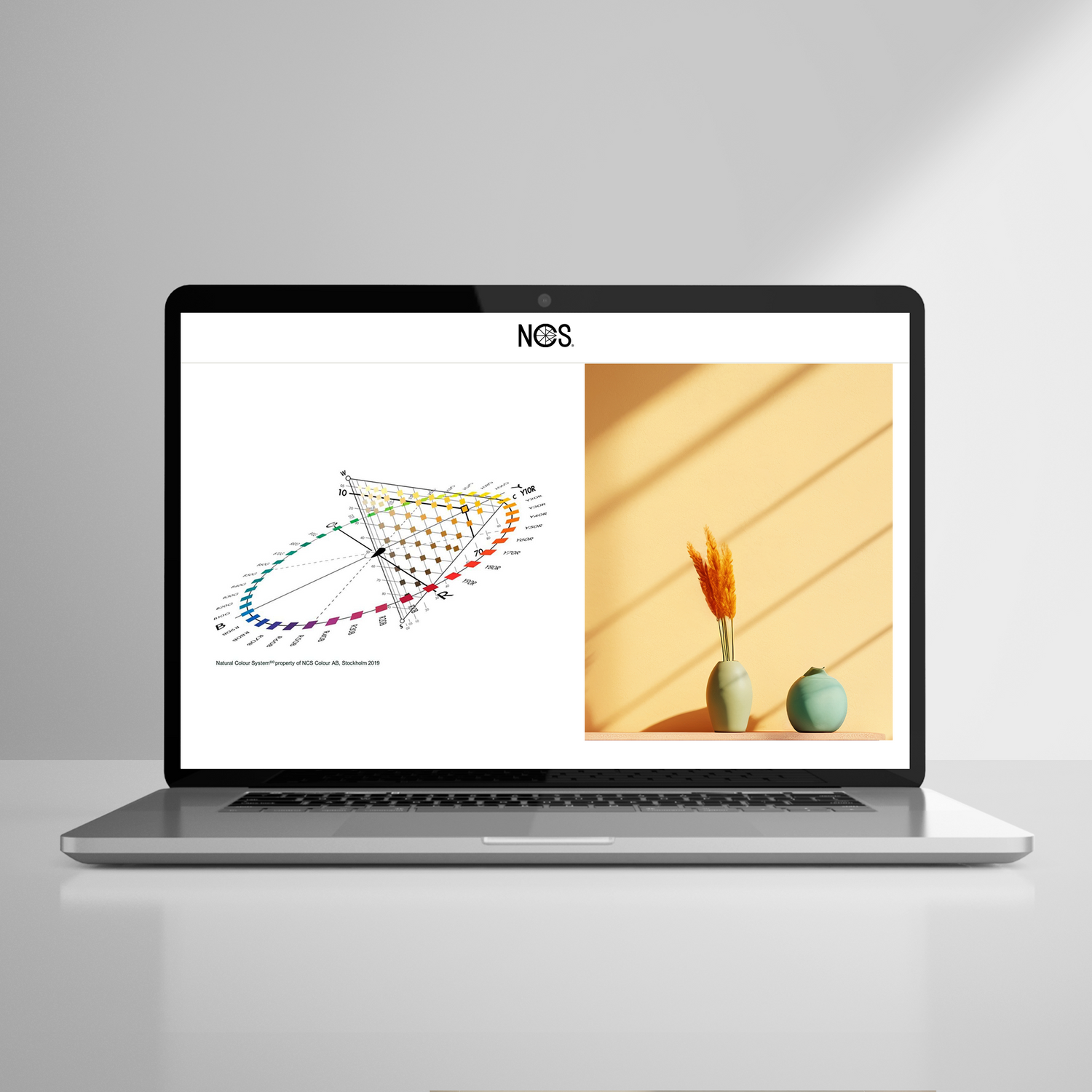
Colours can be described in a three-dimensional (3D) space, a colour space. White is on the top and black is on the bottom of the vertical axis, while the four chromatic elementary colours are arranged in a circle around it. This allows colours to be identified with NCS Notations exactly as we perceive them.
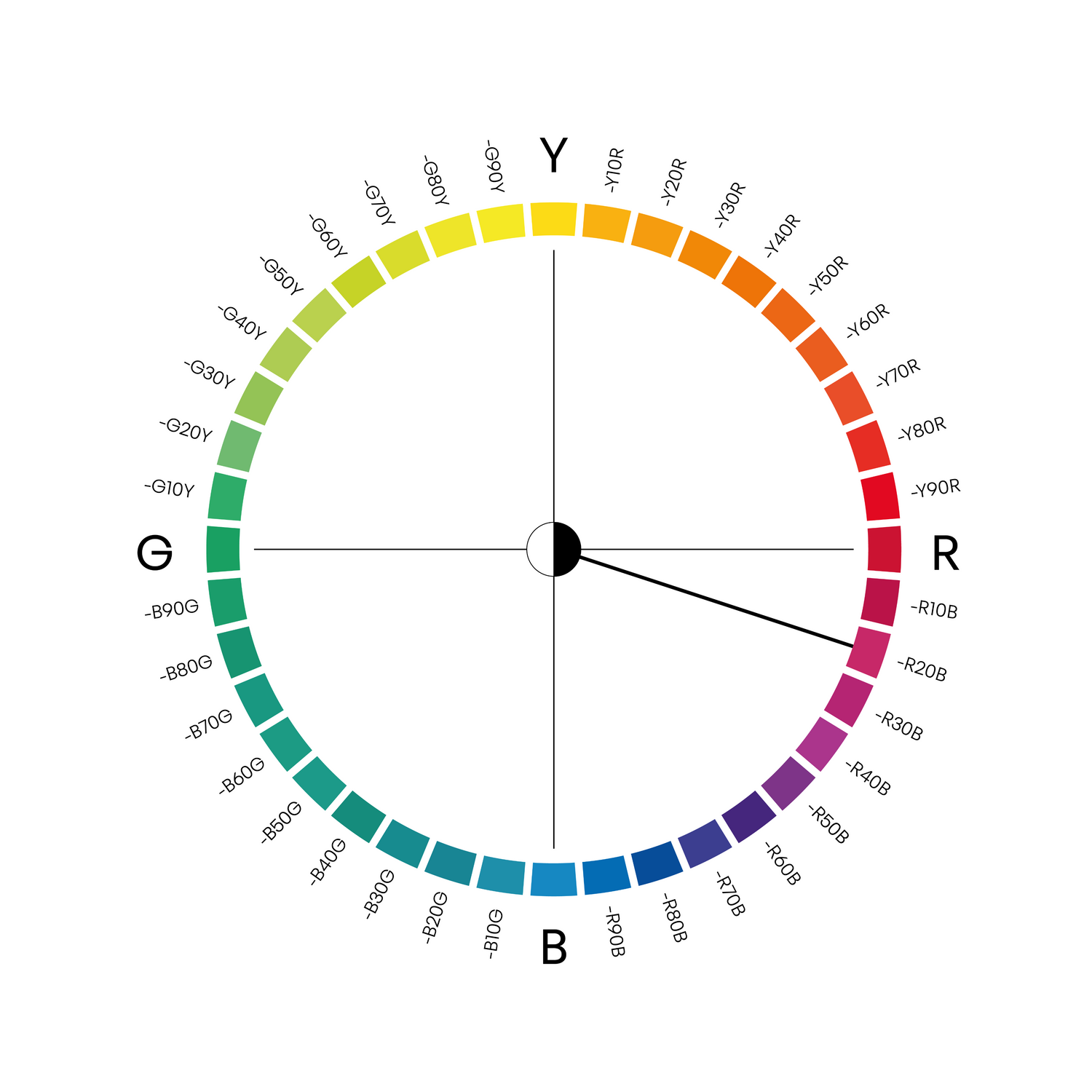
NCS Colour Circle
As one of the dimensions of the NCS Colour Space, the NCS Colour Circle cuts horisontally through the centre. It describes the hue of the colour in relation to the four chromatic elementary colours.
NCS Colour Triangle
In the vertical dimension of the NCS Colour Space, one NCS Colour Triangle is defined for each hue. A colour’s position within the triangle defines its nuance.
NEUTRAL COLOURS: white, black and all grey colours have no hue and are notated with -N for neutral. They are located along the vertical side of the NCS Colour Triangle.
NCS Notation
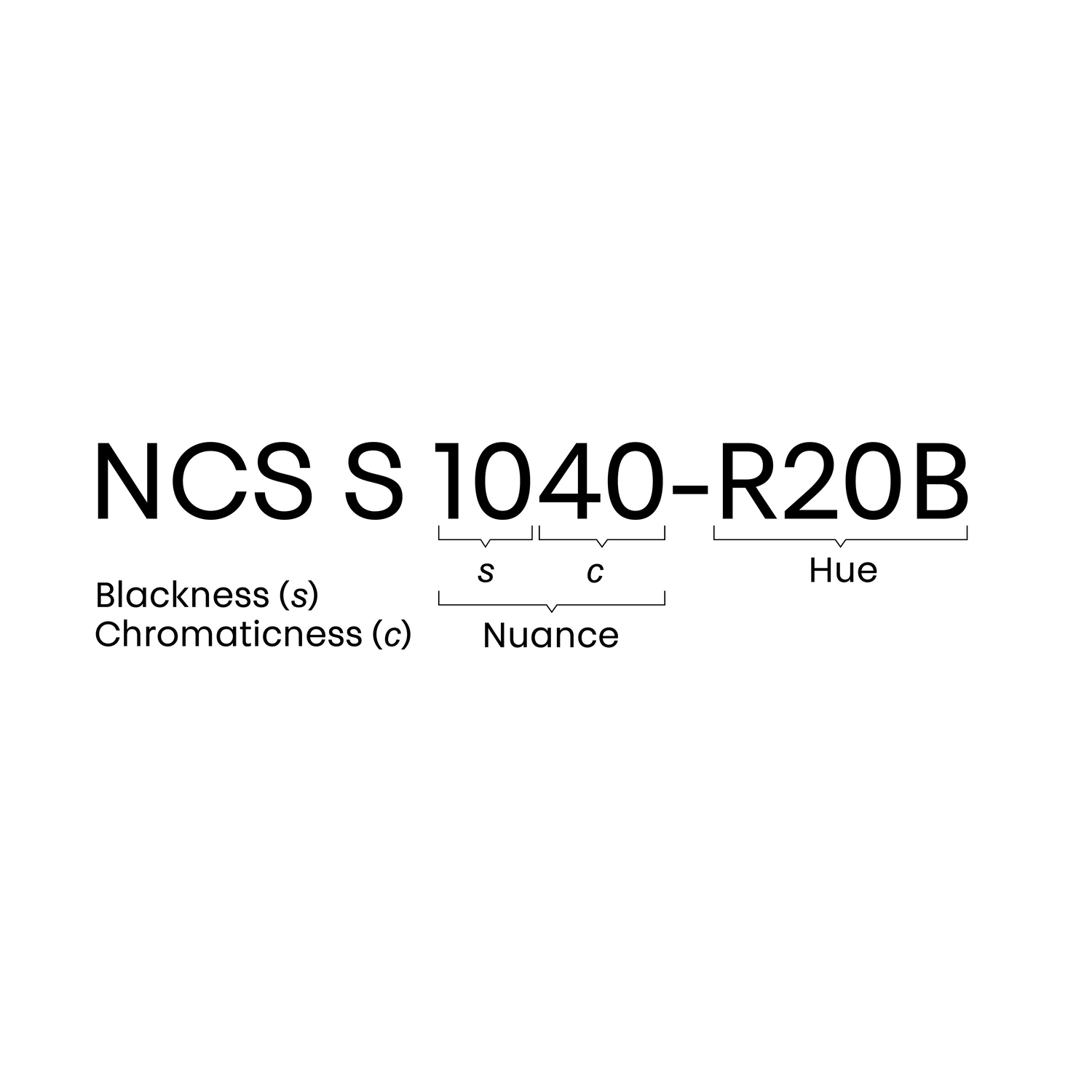
The NCS notation NCS S 1040-R20B has the nuance 1040, i.e. 10% blackness and 40% chromaticness. The hue R20B denotes a red (R) with 20% blue (B).
Click here for a complete list of NCS Literature References.
NCS Education
Colour Academy
Enrich your understanding of colour by joining our Colour Academy courses. Tailored exclusively for architects, interior designers, product designers and professional colour advisers, these courses deepen your mastery of colour communication.
NCS Quick Course
Take our free Quick Course to learn the NCS System in 20 minutes.
White paper
How the NCS System Ensures Colour Quality
Across NCS portfolio, we offer products and services that support professionals when working with colour. The NCS System ensures colour quality and precision in colour matching while facilitating clear communication across teams, professions and stakeholders.
In this white paper, you will learn how implementing the NCS System with appropriate quality control solutions helps maintain high standards and meet your customer expectations.