

Colour quality in production with the NCS System
The NCS System is the only colour system on the market that is 100% based on our visual perception of colour. Our products are the highest quality on the market, and we take pride in our production process.
Professionals depend on accuracy. Engineers use accurate measurement technology, physicians use state-of-the-art medical equipment and musicians use the instrument with the clearest sound. The same is true for colour professionals. Colour is a decisive feature of whether a design or product will be successful or not, and to make the correct colour decisions we need to understand colour. It may be sufficient for a consumer to ask for a “light blue” shade or the colour “lavender”, but when working professionally with colour we need to be more precise. Therefore, we need a language for communicating colour and accurate reference tools to describe it.

A system for defining colour
The Natural Colour System© was designed to fill the need to describe even the slightest change in nuance that a human eye can perceive. Decades of research resulted in a system where each colour is defined by an unambiguous colour notation system; a system describing the visual characteristics of the colour.
Now, the Natural Colour System® is used around the world for colour communication. Since it is scientifically based on how we perceive colours visually, it allows us to describe colours accurately, on any surface. This has made NCS a global standard for the definition, quality assurance and communication of colour.
With this systematic approach to describe colour, the need for accurate physical representations of colours arose.
Learn how the NCS System Ensures Colour Quality
Design tools for quality colour production
NCS Products
Coated paint on paper
NCS Colour Products are produced using coated paint on paper. In contrast to printed samples and similar production methods, coated products can be produced with an accuracy where the variance between products is not perceivable (~0,4 ΔE00).
Other manufacturing industries
The same goes for coated colour in comparison to plastics or textiles. Coated colour products have the most solid properties and therefore are unparalleled as a master reference. However, in industrial productions a colour sample of the same material as the final product is generally used.
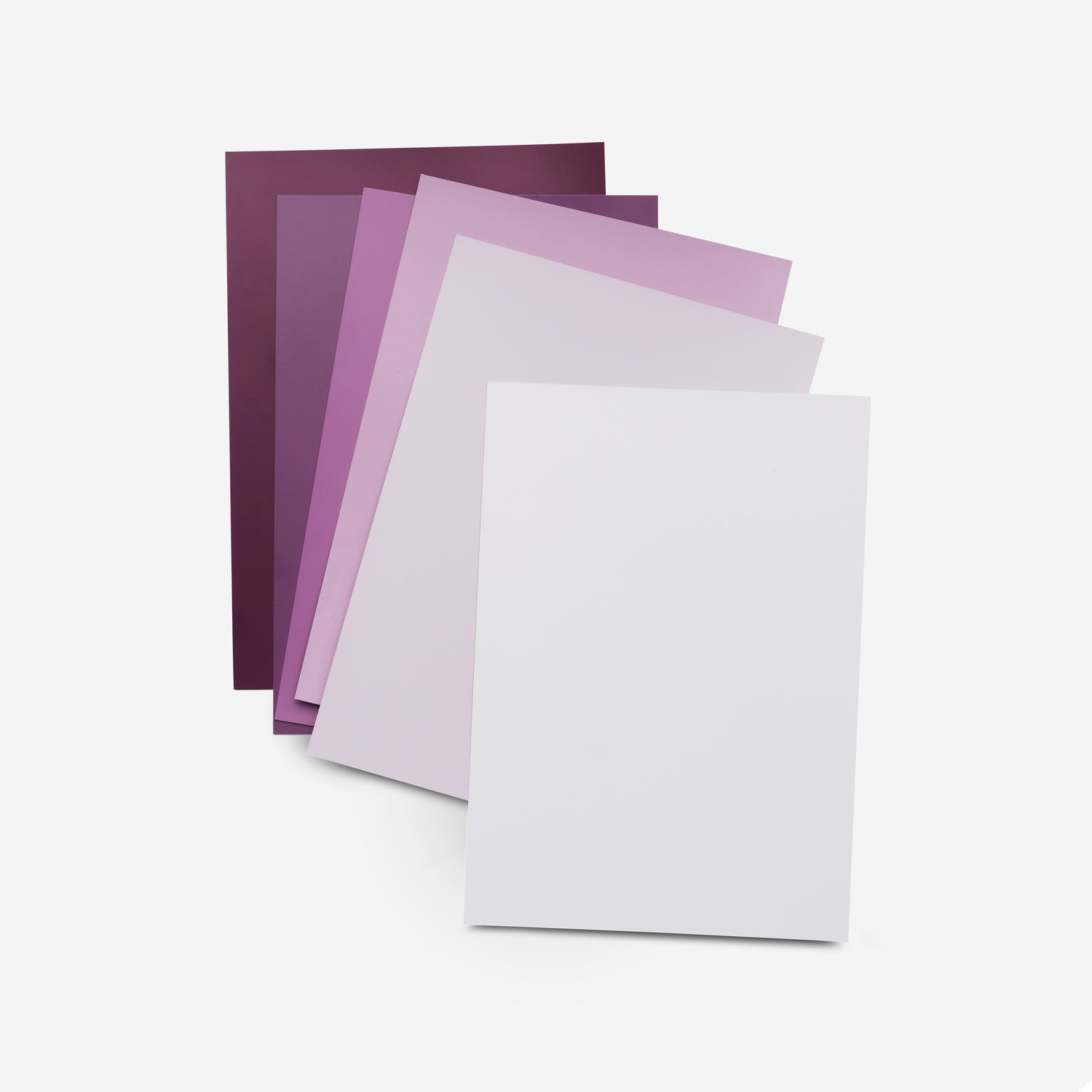
Why we use coated colour products
- Due to technical reasons, printed colour cards tend to have a greater variance between productions than coated colour cards do.
- Coated colour cards are solid, while printed colour cards uses small dots of ink. For example, a pink colour is printed as red dots on white paper, which is perceived as a solid pink, but is in fact a pattern.
- Coated colour cards can be adapted for different light sources, while printed colour cards cannot.
“Every produced batch of a colour card or master sample from NCS is traceable back to the original NCS Primary Standard. This is how we know that our colours are the same, not just from one product to the next but when you order the same colour in 50 years.”
– Karin Bünger, Head of Operations NCS Colour
The production process

1. The mix
The first step of the production of NCS Colour products is called the mix. This is when the paint is produced, using EU-approved pigments. The colour is controlled in multiple light sources against the NCS Primary standard to be within the smallest tolerances in the industry.
Image property and copyright: Color Project European.

2. The coat
The second step of the production is the coat. The paint is applied on paper and properties such as film thickness, gloss level and paint opacity are quality controlled. To ensure superior quality from each batch, the colour is controlled at multiple instances.

3. The Final Product
In the final production step, the complete product is assessed, including finish, artwork and assembly. The target for colour matching is a tolerance below 0.3 ΔE00 to ensure the best result.
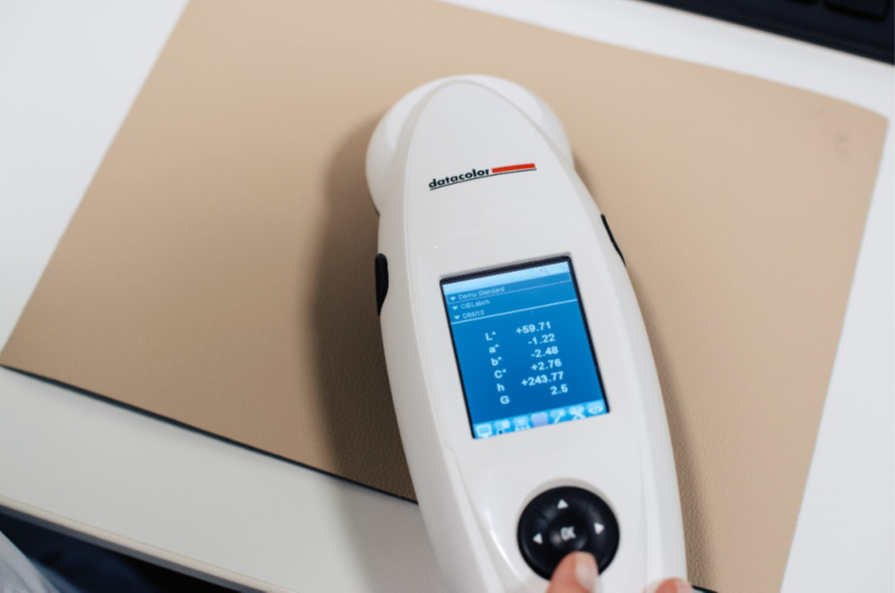
Colour quality control process
You can trust what you see
All productions of NCS Colour Products are rigorously checked, controlled and certified by the NCS Reference Lab to ensure that the final products have the perfect colour appearance. The target for the colour matching is a tolerance below 0.3 ΔE00 to ensure the best result. Since 2015, each production result has been documented in NCS Quality Report.
“We are proud to be able to say that we can offer you the best quality on the market that ensures your quality, colour communication and your customer trust and confidence.”
– Anders Nilsson, NCS Quality Centre Manager at NCS Colour
Our products and services to support professionals with their colour work
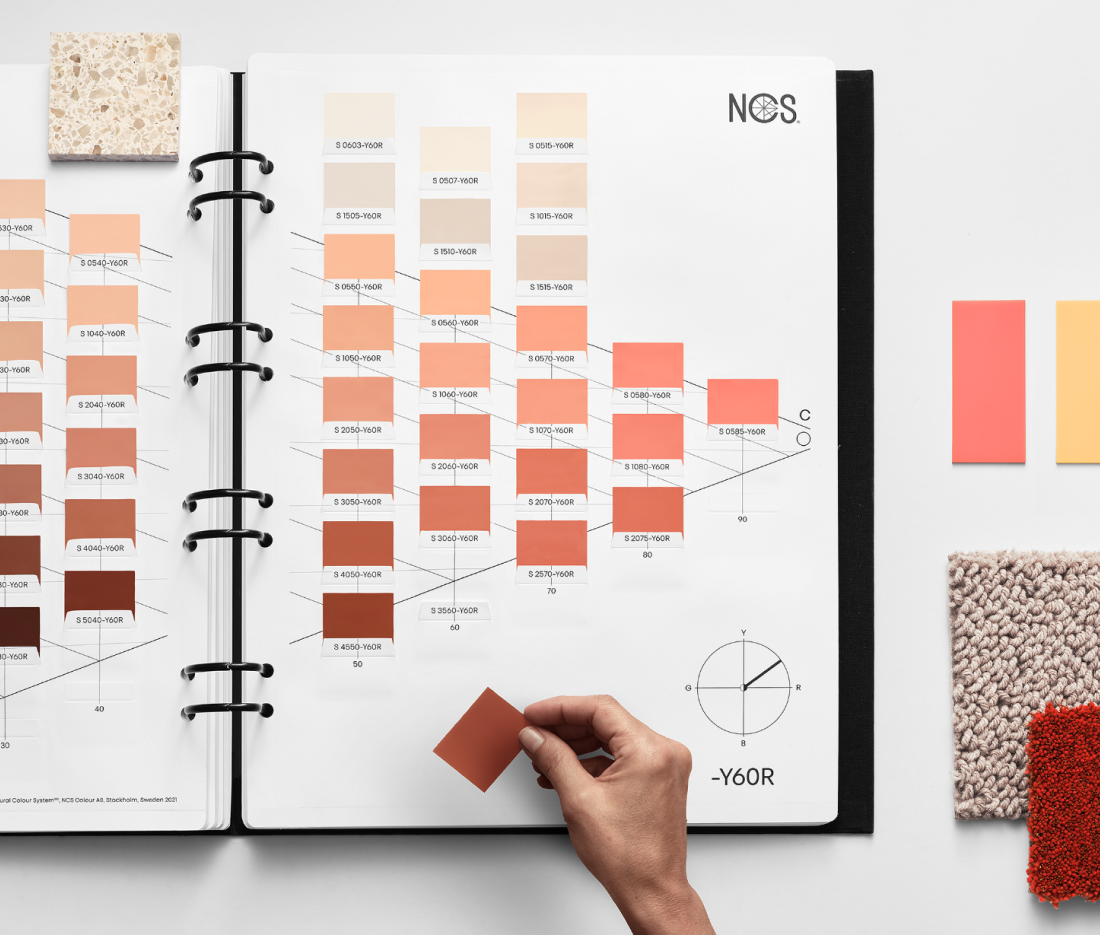
NCS Album 2050
A large album with detachable colour samples showing you all NCS 2050 Standard colours for easier colour choice, design and communication.
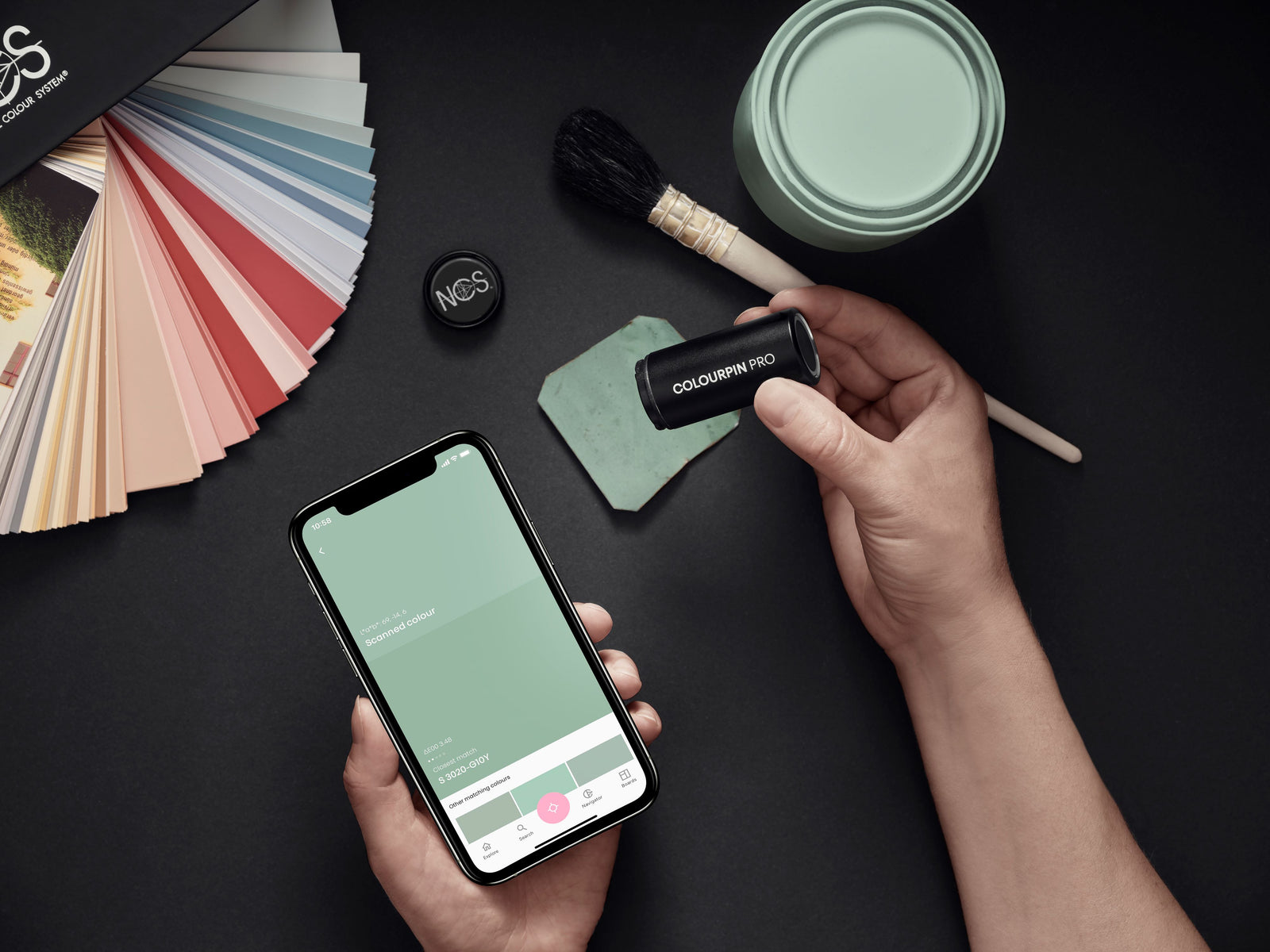
NCS Colour Readers
A helpful tool that identifies colour on any surface, such as textile. Colourpin gives you the NCS Notation with translations to RAL, CMYK, RGB and L*a*b.
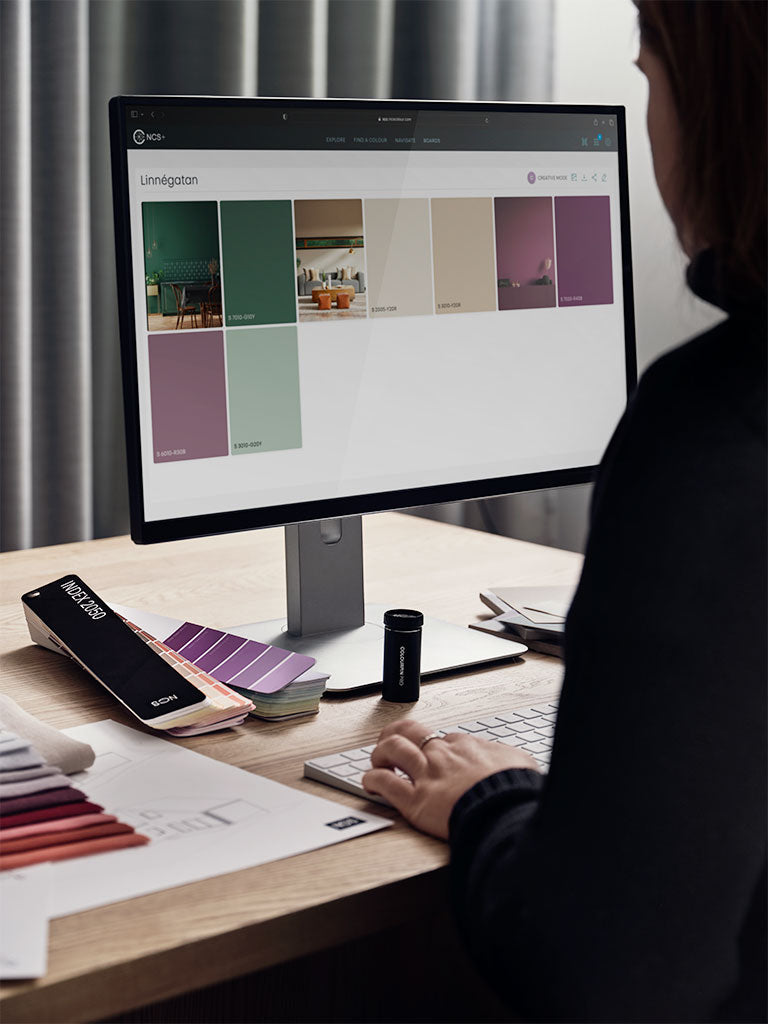
NCS+
Our all-in-one colour platform combining colour and material in one seamless creative journey.
NCS Colour Samples
Reference samples in three different sizes, A9, A6 and A4. Perfect for creating mood boards or building colour concepts.

NCS In Design
Learn the professional methodology and strategy on how to communicate and work with colour in our e-learning course NCS In Design.

NCS Colour Quality Assurance: CAPQ
CAPQ is a cloud-based platform for digital colour management and collaboration around colour development and quality control.
Image credits:Color Project European (CPE)